Vagus Nerve Dysfunction & Headaches: How Osteopathy Restores Nervous System Balance
Written by Maëva Loyson
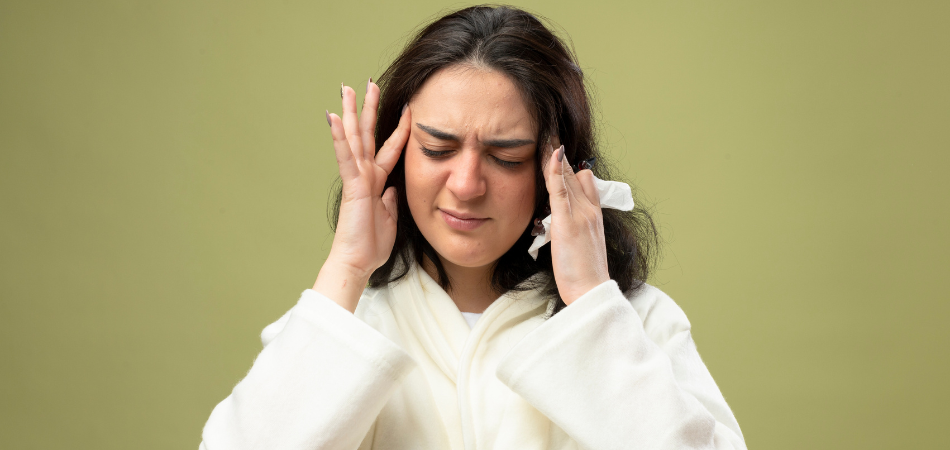
For many adults in Kingston, Ontario, dealing with chronic headaches means living a life constantly interrupted. You might find yourself dimming the lights in your office downtown, cancelling weekend plans with family, or relying on over-the-counter painkillers just to get through a lectures or work meetings. When chronic head pain becomes a weekly occurrence, it is easy to assume your body is simply hardwired to suffer.
Data published by Migraine Canada reveals that nearly one in ten Canadians suffers from debilitating migraines, with many actively seeking complementary, non-invasive therapies to calm an overstimulated nervous system when medication alone falls short. Advanced clinical research points toward a powerful, hidden link behind this chronic head pain: the vagus nerve. If this crucial neural pathway is under physical compression or structural strain, it can trigger a cascade of inflammation and muscle tension that culminates in persistent headaches.
As an osteopathic manual practitioner, treating a headache goes far beyond addressing local skull pain. By understanding the deep physiological relationship between your central nervous system, your structure, and the vagus nerve, manual therapy offers a gentle, non-invasive path toward long-term relief right here in your community.
Schedule a Comprehensive Structural Assessment Today
The Brain-Body Superhighway: What is the Vagus Nerve?
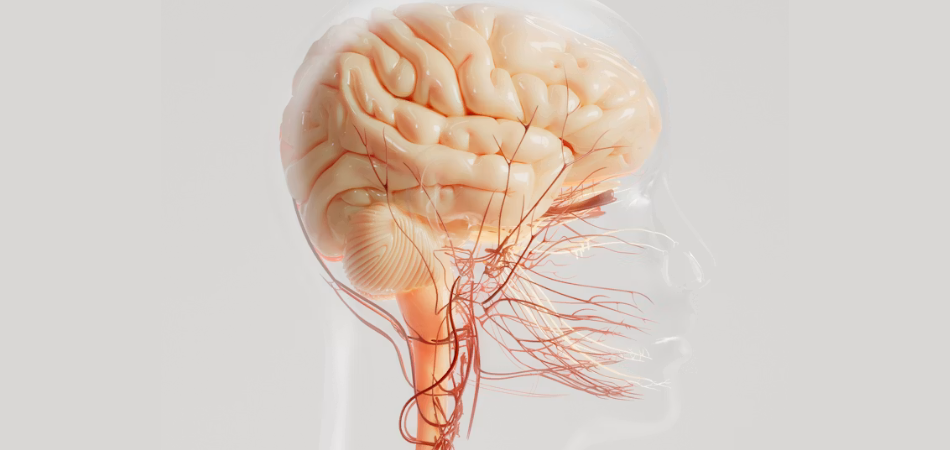
The vagus nerve is the longest cranial nerve in the human body, extending from the brainstem all the way down through the neck, chest, and deep into the abdomen. It acts as the primary command center for your parasympathetic nervous system, which is responsible for regulating your "rest and digest" responses, lowering your heart rate, and keeping systemic inflammation under control.
When your vagus nerve is functioning optimally, it maintains a healthy "vagal tone," allowing your body to bounce back from daily stress and actively down-regulate pain signals. However, because of its long, winding anatomical path, the vagus nerve is highly susceptible to physical entrapment and mechanical tension.
How Vagus Nerve Strain Directly Triggers Headache
The connection between the vagus nerve and chronic headaches comes down to anatomy and inflammation. When the nerve pathway is irritated, it alters how your entire system processes pain.
Structural Entrapment at the Base of the Skull
The vagus nerve exits the skull through a tiny opening called the jugular foramen, which sits directly between the occipital bone and the temporal bone at the base of your head. If the tiny joints at the top of your cervical spine are restricted, or if the deep suboccipital neck muscles are chronically tight from desk work or poor ergonomics, they can physically compress the nerve at this exit point.
The Chronic Neuro-Inflammatory Cycle
When the vagus nerve is compressed or under sustained tension, its ability to regulate the body's anti-inflammatory response drops significantly. According to neurological research tracked by the Brain Canada Foundation , systemic neuro-inflammation acts as a major catalyst for chronic migraine pathways. A reduction in vagal tone allows pro-inflammatory chemicals to gather around the sensitive blood vessels and membranes surrounding the brain, leaving you with a highly sensitized nervous system where minor everyday stressors quickly escalate into severe tension headaches.
Experience Gentle, Restorative Manual Care
The Integrated Approach: Osteopathic Manual Practice and Posturology
An osteopathic manual practitioner does not attempt to treat a headache by merely masking the localized symptom. Patient care frameworks highlighted by Canada's national Chronic Pain Network increasingly support multi-disciplinary models of rehabilitation, recognizing that releasing physical restrictions can significantly lower the central nervous system's overall pain response.
At our clinic, we combine whole-body structural care with the principles of posturology to remove the mechanical strains irritating your nervous system.
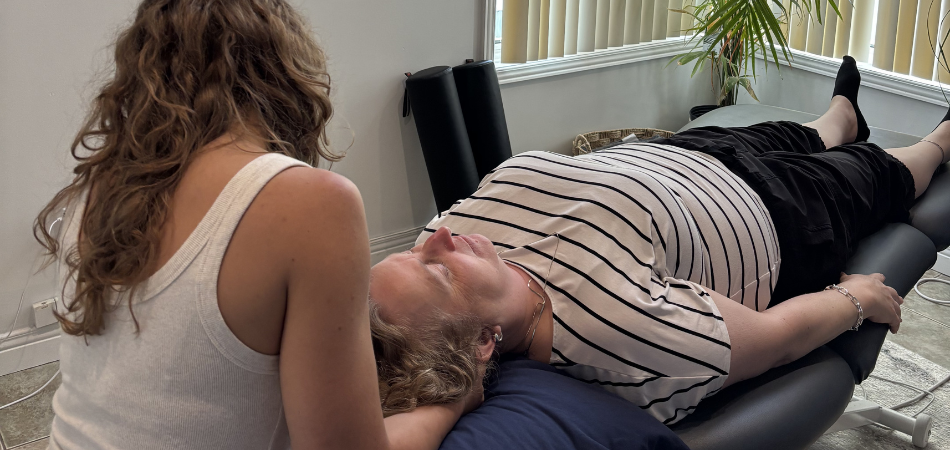
By assessing how your eyes, jaw, and feet track balance against gravity, posturology helps find the structural "glitch" causing you to slouch or lean. Your osteopathic manual practitioner then applies gentle, external manual techniques to release the physical compensation blocks. This relieves the constant physical pulling on your upper neck, giving the vagus nerve the physical space it needs to function properly.
Specialized Care in Kingston and Amherstview
You do not have to accept chronic head tension as a permanent part of your life. At Hello Osteo, our dedicated team of Osteopathic Manual Practitioners: Maëva, Céline, and Alexia; collaborates closely to provide specialized care designed to map out the root causes of your systemic discomfort.
Each practitioner brings a wealth of comprehensive, international, and specialized training to the table, allowing our clinic to support local families across every stage of life.
By offering dedicated clinic days at both our Kingston and Amherstview locations, Maeva, Céline, and Alexia make it simple for local professionals, students at Queen's University, and busy parents to access expert care right in their own neighborhoods.
Frequently Asked Questions About Vagus Nerve Care
Q: Can an osteopathic manual practitioner physically fix a nerve?
A: Practitioners do not manipulate the nerve itself. Instead, they gently treat the muscles, bones, and fascial tissues surrounding the nerve path. By removing the structural restrictions and tight muscles compressing the vagus nerve, your body can naturally restore normal neural signaling.
Q: What does a vagus nerve treatment feel like?
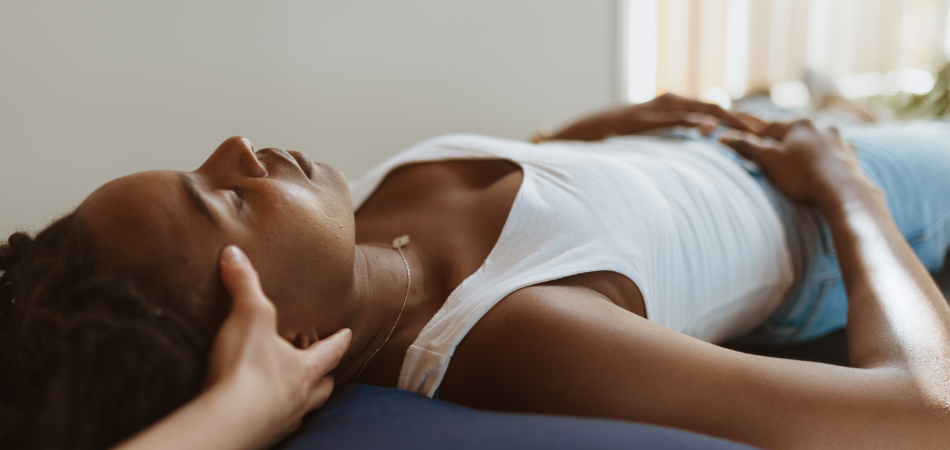
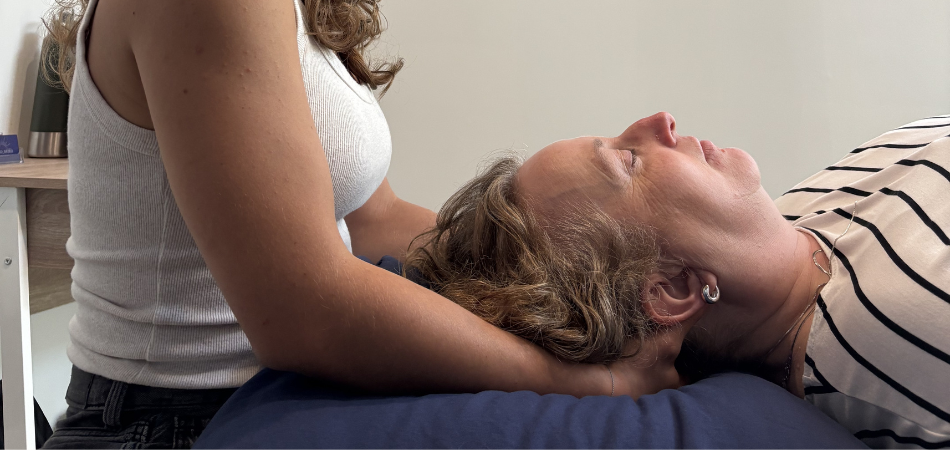
A: The techniques used are remarkably soft, external, and non-invasive. Practitioners often use gentle craniosacral holds, myofascial release, and light cervical mobilization. There is no forced adjustment or heavy pressure, making it incredibly relaxing for individuals experiencing acute head pain.
Q: How many sessions does it take to see an improvement in chronic migraines?
A: While every individual's nervous system carries a unique history, many patients report a noticeable reduction in the frequency and intensity of their headaches within three to five focused sessions. Your practitioner will collaborate directly with you to outline a personalized care plan.
Q: Do I need a referral from a medical doctor to book an appointment?
A: No. In Ontario, you can book an assessment with an osteopathic manual practitioner directly through our online system whenever you feel ready to address your pain.
Give Your Nervous System the Space to Unwind
Living with frequent headaches leaves your body in a constant state of structural defense, bracing against the next flare-up. Reaching out for specialized manual care is a proactive step that stops the cycle of chronic tension and introduces your body to a therapy that respects its natural anatomy.
Hello Osteo provides dedicated, uninterrupted time focused entirely on your structural balance, systemic alignment, and comfort. Just an expert, welcoming space built to help you reclaim your daily comfort.
Book Your Assessment at Our Kingston or Amherstview Clinic
“Balance isn’t something we fix. It’s something we restore.” - Maëva Loyson
References
Migraine Canada - https://migrainecanada.org
Brain Canada Foundation - https://braincanada.ca
Chronic Pain Network Canada - https://chronicpainnetwork.ca
Ready to take the next step?
Our osteopathic treatments are tailored to your body and goals.
Learn more about our services ->