Understanding Scoliosis: A Parent's Guide to Early Signs & the Adam's Forward Bend Test
Written by Maëva Loyson
Watching your child grow is exciting, but it can also bring new questions.
One month they're outgrowing their favourite shoes, and the next, their school uniform no longer fits. During these rapid growth spurts (particularly between the ages of 10 and 15) it's also a good time to pay attention to their posture and spinal development.
You might notice that one shoulder sits slightly higher than the other, a hip appears uneven, or their clothes no longer hang evenly. While these changes don't always indicate a problem, they can sometimes be early signs of scoliosis.
At Hello Osteo, we regularly support children and adolescents as they grow. In this guide, we'll explain what scoliosis is, the early signs parents should look for, how to perform the Adam's Forward Bend Test at home, and when it's time to seek a professional assessment.
What is scoliosis?
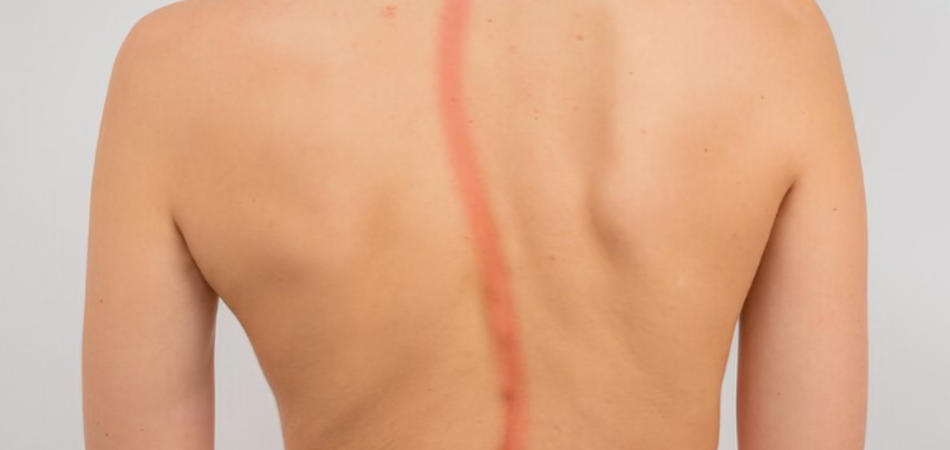
When viewed from behind, a healthy spine generally appears straight and centred over the pelvis.
Scoliosis is a condition in which the spine develops an abnormal sideways curve accompanied by rotation of the vertebrae. Because the spine rotates as well as curves, the shoulders, ribs, waist, or hips may appear uneven.
There are several different types of scoliosis, but the most common is Adolescent Idiopathic Scoliosis (AIS). It typically develops during periods of rapid growth between the ages of 10 and 18. The word idiopathic simply means that the exact cause is unknown.
Many children with mild scoliosis experience little or no pain, which is why regular observation during growth is so important.
Early signs parents may notice
Scoliosis often develops gradually, making it easy to overlook.
Rather than complaining of back pain, many children simply begin to stand differently.
Some signs to watch for include:
- One shoulder sitting higher than the other
- One shoulder blade appearing more prominent
- Uneven hips or a tilted pelvis
- An uneven waistline
- Clothes hanging unevenly
- One side of the rib cage appearing more prominent
- Different amounts of space between each arm and the waist while standing naturally
Sometimes, changes in posture or pelvic position can also make one leg appear longer than the other. This is called a functional leg-length discrepancy. A true difference in leg length is less common and should be assessed by a healthcare professional.
Not every child with these signs has scoliosis, but they are worth having evaluated.
The Adam's Forward Bend Test
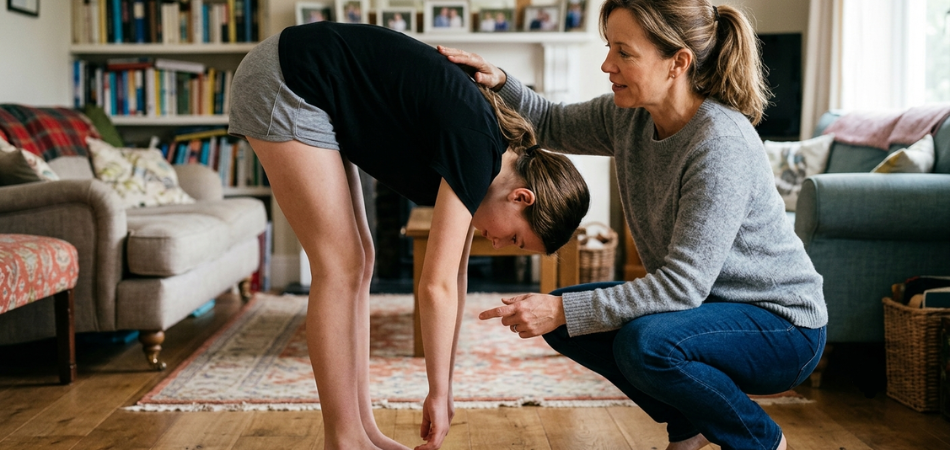
One of the simplest ways to screen for possible scoliosis at home is the Adam's Forward Bend Test.
Healthcare professionals commonly use this quick screening tool to identify signs that may suggest scoliosis.
It is important to remember that this test does not diagnose scoliosis. Instead, it helps determine whether further assessment may be appropriate.
How to perform the Adam's Forward Bend Test
Step 1: Prepare
Ask your child to:
- Stand barefoot with their feet together.
- Keep their knees straight.
- Wear fitted clothing or a tank top so the back is easy to observe
Step 2: Bend forward
Ask them to bend forward slowly from the waist, allowing both arms to hang naturally toward the floor.
Their back should become nearly parallel to the ground.
Step 3: Observe
Position yourself behind your child and lower your eyes so they are level with their back.
Look carefully along the spine and rib cage.
What should you look for?
In most cases, the back should appear relatively symmetrical.
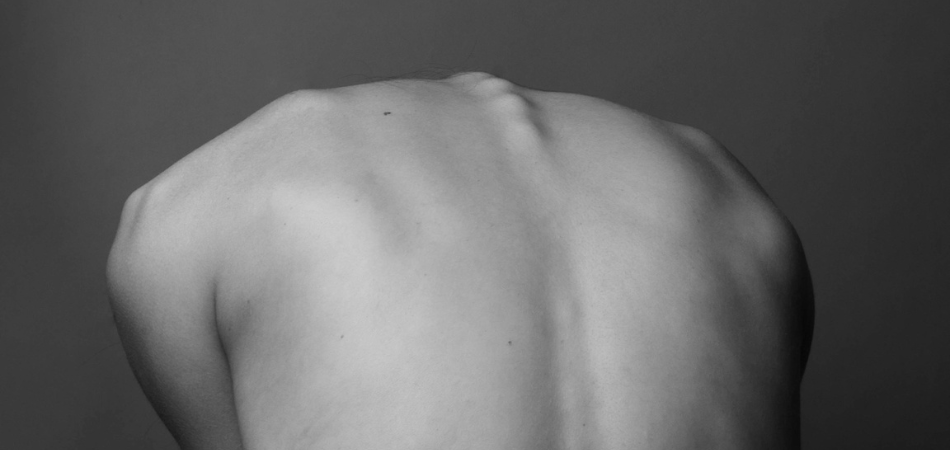
If one side of the rib cage or lower back appears noticeably higher than the other, this may indicate trunk rotation associated with scoliosis.
This difference is sometimes referred to as a rib hump.
Remember, seeing asymmetry does not confirm scoliosis; it simply means your child should be evaluated by a qualified healthcare professional.
What happens if the screening is positive?
First, don't panic. A positive home screening doesn't necessarily mean your child has scoliosis.
Many postural differences have other possible causes, including muscular imbalances, growth-related changes, or other musculoskeletal conditions.
A professional assessment helps determine whether additional investigation or referral is appropriate.
If scoliosis is suspected, imaging such as an X-ray may be recommended. The curve is then measured using the Cobb Angle, which helps healthcare professionals determine the most appropriate management plan.
How can osteopathy help?
Osteopathy does not straighten the spine or replace medical management for scoliosis.
However, osteopathic care may help support children living with scoliosis by:
- Improving joint mobility
- Reducing muscular tension
- Addressing compensatory movement patterns
- Supporting comfortable movement during growth
- Promoting overall musculoskeletal function
At Hello Osteo, every assessment considers the whole body, not just the spine. We evaluate posture, movement, mobility, and the relationship between the pelvis, lower limbs, and spine to better understand how your child is moving.
Where appropriate, we also work collaboratively with other healthcare professionals to ensure your child receives the most suitable care.
When should you book an assessment?
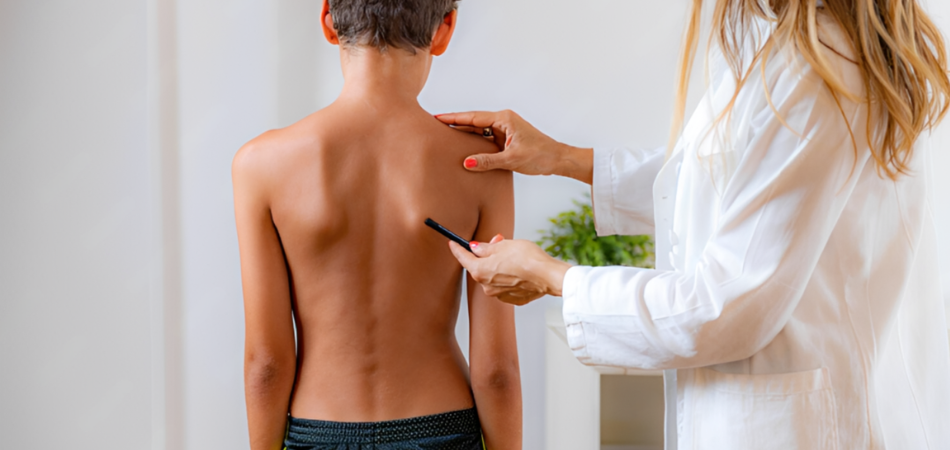
Consider arranging an assessment if you notice:
- Uneven shoulders
- Uneven hips
- Changes in posture during a growth spurt
- A positive Adam's Forward Bend Test
- Concerns about how your child is moving or standing
Early assessment can help identify whether further monitoring or referral is needed and provide reassurance for families.
Frequently Asked Questions
Does scoliosis always cause pain?
No. Many children with scoliosis experience no pain, particularly in the early stages. Changes in posture are often the first signs parents notice.
Can scoliosis improve on its own?
Some mild curves remain stable as a child grows, while others may progress. Regular monitoring by a healthcare professional is important.
Can adults develop scoliosis?
Yes. Adults may develop scoliosis later in life due to age-related changes in the spine, known as degenerative scoliosis
Can osteopathy correct scoliosis?
Osteopathy does not correct or straighten scoliosis. It may, however, help improve comfort, mobility, and overall musculoskeletal function as part of a broader care plan.
How often should I check my child's posture?
A quick visual check every few months during periods of rapid growth can help you notice changes early. If you have concerns, consult a healthcare professional.
Book a Pediatric Assessment at Hello Osteo
Every growing child deserves the opportunity to move comfortably and confidently.
If you've noticed changes in your child's posture (or you simply want reassurance during a growth spurt) our team is here to help.
At Hello Osteo, Maëva, Céline and Alexia provide comprehensive pediatric osteopathic assessments, helping families better understand their child's posture, movement, and musculoskeletal development.
We welcome patients at both of our clinics:
📍 Kingston 1040 Gardiners Road
📍 Amherstview 23 Lennox and Addington County Road 6
Ready to take the next step?
Book your assessment with Maëva, Céline or Alexia today and let us help support your child's healthy growth and development.
References
International Scientific Society on Scoliosis Orthopaedic and Rehabilitation Treatment (SOSORT). Guidelines for the Orthopaedic and Rehabilitation Treatment of Idiopathic Scoliosis During Growth.
Scoliosis Research Society. Adolescent Idiopathic Scoliosis.
National Institute of Arthritis and Musculoskeletal and Skin Diseases (NIAMS). Scoliosis.
Ready to take the next step?
Our osteopathic treatments are tailored to your body and goals.
Learn more about our services ->