The Mind-Body Connection: What the Vagus Nerve Does to your body
Written by Maëva Loyson
How Osteopathy May Support Nervous System Regulation
Have you ever felt your stomach tie itself in knots when you were nervous? Or noticed that during a particularly stressful period, your digestion, sleep, breathing, or ability to relax seemed completely out of rhythm?
That connection between what you experience emotionally and what happens physically is very real.
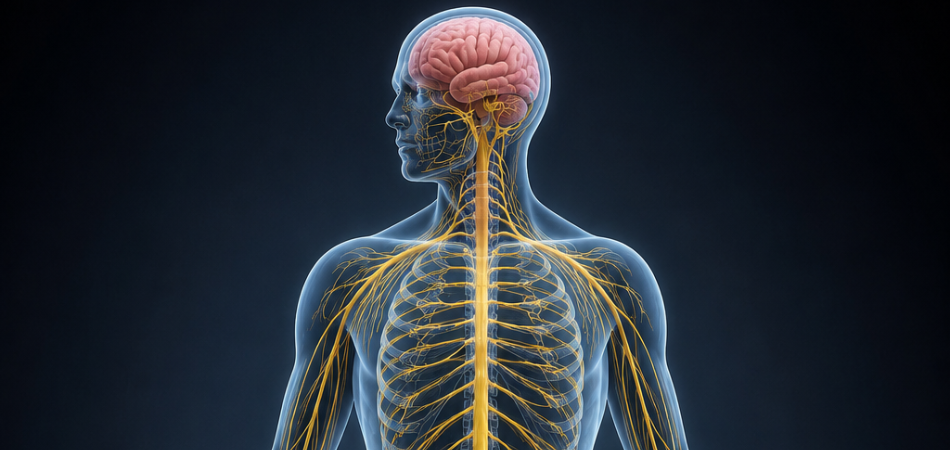
One of the key structures involved in this communication is the vagus nerve, the longest cranial nerve in the body. It forms an important communication pathway between the brain and organs including the heart, lungs, and digestive system, helping regulate functions such as heart rate, digestion, breathing, and aspects of the body's stress response.
This is part of what makes the vagus nerve so interesting in the context of the mind-body connection.
But what exactly does the vagus nerve do? What does "vagal tone" actually mean? And where does osteopathy fit into the picture?
Let's take a closer look.
What Is the Vagus Nerve?
The word vagus comes from the Latin word for "wandering," an appropriate name for a nerve that travels extensively throughout the body.
The vagus nerve is also known as cranial nerve X (CN X). It emerges from the brainstem and leaves the skull through the jugular foramen before descending through the neck, chest, and into the abdomen. Along the way, it communicates with numerous organs and structures.
A simplified pathway looks like this:
Brainstem
↓
Jugular foramen at the base of the skull
↓
Neck and carotid sheath
↓
Chest and thoracic organs
↓
Esophageal region and diaphragm
↓
Abdominal organs
In the neck, the vagus nerve travels within the carotid sheath alongside major blood vessels. It then continues into the chest, where it contributes to networks supplying the heart, lungs, and esophagus, before continuing toward the abdominal organs.
The vagus nerve and the parasympathetic nervous system
The vagus nerve is a major component of the parasympathetic nervous system, one branch of the autonomic nervous system.
You may have heard the sympathetic nervous system described as "fight or flight" and the parasympathetic system as "rest and digest." These phrases are useful for understanding the basic idea, although the real physiology is more complex.
Your autonomic nervous system is constantly adjusting your body's functions according to what is happening around and within you.
When you're under threat or intense stress, your body can increase alertness, heart rate, and energy availability.
When the perceived threat passes, parasympathetic activity helps support a return toward a calmer physiological state, including regulation of heart rate and digestive activity.
Interestingly, approximately 80% of vagal nerve fibers are afferent, meaning they carry information from the body toward the brain. The vagus nerve is therefore not simply a "brake pedal" sending commands downward. It is also an important sensory communication pathway carrying information about the body's internal state back to the brain.
This two-way communication is one reason the vagus nerve is so important when we talk about the gut-brain connection.
What Is "Vagal Tone"?
You may have come across the term vagal tone in discussions about stress, anxiety, digestion, or nervous-system regulation.
In simple terms, vagal tone refers to aspects of the activity and responsiveness of the vagal component of the parasympathetic nervous system. Researchers often use measures of heart-rate variability (HRV) as an indirect way of studying cardiac autonomic regulation.
However, it is important not to think of vagal tone as a simple on/off switch.
There is no single symptom that proves someone has "low vagal tone," and symptoms such as digestive discomfort, fatigue, difficulty relaxing, or changes in heart rate can have many different causes.
Rather than diagnosing yourself with "low vagal tone," it can be more useful to think about your body's capacity to adapt to stress and return toward physiological balance.

Signs that your nervous system may be under sustained stress can include:
- Difficulty relaxing after stressful situations
- Persistent muscle tension
- Changes in digestion during periods of stress
- Sleep difficulties
- Feeling physically "wired" or unable to switch off
- Changes in breathing patterns
- Difficulty recovering after periods of intense physical or emotional demand
These symptoms are nonspecific, however, and should not automatically be attributed to the vagus nerve.
The Structural Path: Why Mobility Matters
The vagus nerve has a long and complex journey through the body.
It exits the skull through the jugular foramen and descends through the neck within the carotid sheath. It then enters the thorax and contributes to the cardiac, pulmonary, and esophageal plexuses before continuing toward the abdomen.
This means the nerve exists within a constantly moving environment.
Every day, your body moves through:
- Breathing
- Swallowing
- Speaking
- Walking
- Rotating your spine
- Moving your ribs
- Digesting food
- Changing posture
The tissues surrounding these structures also need to adapt to movement.
But does muscle tension literally "compress" the vagus nerve?
This is where we need to be precise.
It is tempting to say that tight muscles or fascia directly compress the vagus nerve and therefore prevent it from functioning properly. There is not enough evidence to make that claim broadly.
The vagus nerve is protected within anatomical structures such as the carotid sheath, and its relationship with surrounding tissues is considerably more complex than a simple "tight muscle = compressed nerve" model.
What we can say is that changes in tissue mobility, breathing mechanics, posture, pain, and musculoskeletal tension can influence how a person moves, breathes, and experiences their body.
This is one area where manual osteopathy may have a role: not necessarily by physically "releasing the vagus nerve," but by working with the broader mechanical and sensory environment of the body.
How Can Manual Osteopathy Support Nervous System Regulation?
Osteopathic manual treatment takes a whole-body approach to movement, tissue mobility, breathing mechanics, and musculoskeletal function.
Research investigating osteopathic manual techniques has found evidence of changes in autonomic nervous-system measures in some studies, although the evidence is still heterogeneous and does not establish that osteopathy directly stimulates or "resets" the vagus nerve.
This distinction matters.
Rather than promising to "fix" the vagus nerve, a responsible osteopathic approach is to assess the body as an interconnected system and work with areas of restriction, discomfort, altered movement, and breathing mechanics that may be contributing to an individual's overall experience of stress.
1. Supporting Mobility Around the Head and Upper Neck
The vagus nerve leaves the skull through the jugular foramen and then descends through the neck.
The upper cervical and suboccipital region is therefore an important area to assess when someone presents with significant neck tension, headaches, jaw tension, or postural strain.
Gentle manual techniques may be used to address muscular tension and improve local mobility.
Importantly, treatment around the neck should always be performed with appropriate clinical assessment and care because this region contains major blood vessels and nerves.
2. Working With the Rib Cage and Breathing Mechanics
Breathing is one of the simplest ways we can consciously influence autonomic regulation.
The diaphragm is the primary muscle of respiration, and efficient diaphragmatic movement allows the rib cage and abdomen to move naturally during breathing.
Manual osteopathic treatment may include gentle techniques aimed at improving rib-cage mobility, thoracic movement, and diaphragmatic mechanics when restrictions are identified.
This may also create an opportunity for the person to reconnect with slower, more comfortable breathing. And this is an area where the evidence is particularly interesting.
A systematic review and meta-analysis involving more than 200 studies found that voluntary slow breathing was associated with increases in vagally mediated heart-rate variability, both during breathing exercises and following repeated practice.
In other words, sometimes one of the most accessible ways to support nervous-system regulation is simply to change the way you breathe.
3. Supporting Thoracic and Cervical Mobility
The vagus nerve travels from the neck into the thorax, where it contributes to neural networks associated with the heart, lungs, and esophagus.
If someone has restricted thoracic movement, persistent neck tension, or a breathing pattern dominated by the upper chest, an osteopathic practitioner may assess these areas as part of a broader whole-body evaluation.
The goal isn't to mechanically "free the vagus nerve."
Instead, treatment aims to improve movement, comfort, breathing mechanics, and tissue mobility, which may contribute to a more adaptable physiological state.
4. Supporting the Gut-Brain Connection
The vagus nerve plays an important role in communication between the gastrointestinal tract and the brain.
It carries sensory information from the digestive system toward the brain and also contributes to parasympathetic regulation of digestive functions.
This is one reason stress and digestion can feel so closely connected.
Have you ever experienced:
Stress → tight stomach → altered digestion → more discomfort → more stress?
The relationship can work in both directions.
Osteopathic practitioners may assess the abdomen, diaphragm, rib cage, spine, and surrounding soft tissues when appropriate. Gentle manual techniques can be used to address restrictions in mobility and comfort.
However, visceral manipulation should be viewed as a complementary manual approach, not as a proven method of directly "stimulating the vagus nerve" or treating gastrointestinal disease.
Persistent digestive symptoms should always be medically assessed when appropriate.
4 Simple Ways to Support Your Nervous System at Home
You don't need complicated equipment to begin paying more attention to your nervous system.
Small, consistent practices can make a meaningful difference.
1. Try Slow, Comfortable Breathing
For example: Inhale for 4 seconds → Exhale for 6 seconds
There is no need to force a very deep breath. The goal is to make the breath slow, smooth, and comfortable.
Research suggests that slow breathing can increase vagally mediated HRV, a marker associated with cardiac parasympathetic regulation.
If you feel dizzy, uncomfortable, or short of breath, return to your normal breathing.
2. Hum, Sing, or Use Your Voice
The vagus nerve has branches associated with the pharynx and larynx, which is one reason vocalisation is sometimes discussed in relation to vagal stimulation.
Try humming a familiar song or gently singing for a few minutes.
Rather than thinking of this as a guaranteed "vagus nerve hack," think of it as an opportunity to combine slow breathing, vibration, vocalisation, and relaxation.
3. Move Gently
Your nervous system doesn't only respond to thoughts.
It also responds to movement, breathing, posture, touch, and your physical environment.
Try:
- A gentle walk
- Restorative yoga
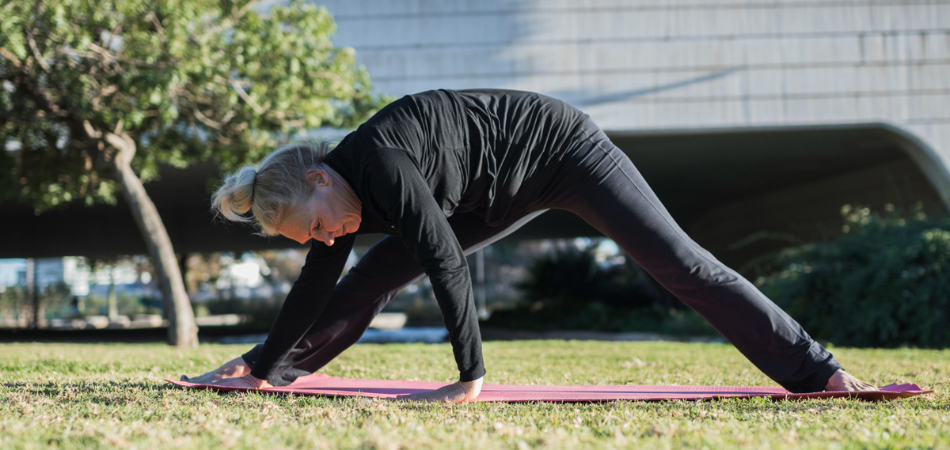
- Slow stretching
- Mobility exercises
- Time outdoors
- Gentle rhythmic movement
The goal isn't to push your body harder.
It's to remind your system that movement can be safe, comfortable, and enjoyable.
4. Be Careful With Cold Exposure
Cold exposure has become popular as a way of "stimulating the vagus nerve."
There is some physiological basis behind this idea: cold stimulation of the face can activate components of the diving response, which involves autonomic and cardiac vagal activity. Research has also found changes in HRV during coldwater exposure.
However, this does not mean that everyone should take extremely cold showers or immerse themselves in ice water.
Cold exposure can also produce an acute cold-shock response, including rapid breathing and cardiovascular changes.
If you choose to experiment with cool water, keep it gentle and stop if you feel unwell. People with cardiovascular conditions or other medical concerns should speak with an appropriate healthcare professional before deliberately using cold exposure.
You don't need extreme practices to support your nervous system.
The Bigger Picture: Your Body Is Constantly Communicating
The vagus nerve is fascinating because it reminds us that the boundary between "mind" and "body" is not as clear as we sometimes imagine
Your brain receives information from your organs.
Your organs respond to signals from your brain.
Your breathing influences your cardiovascular system.
Your emotional state can influence digestion.
Pain can alter movement.
Movement can influence how you feel.
And your environment can influence all of the above.
This doesn't mean that every physical symptom is "just stress."
It means that the body is an interconnected system, and looking at one part in isolation can sometimes miss the bigger picture.
Where Does Osteopathy Fit In?
Manual osteopathy can be one part of a broader approach to supporting physical comfort, mobility, breathing mechanics, and nervous-system regulation.
Current research suggests that osteopathic manual techniques may influence autonomic nervous-system measures in some circumstances, but the evidence remains mixed and researchers continue to investigate exactly how and why these effects occur.
At Hello Osteo, we take this whole-body perspective seriously.
Rather than treating the vagus nerve as an isolated structure, our practitioners look at the relationships between your:
- Head and neck
- Spine
- Rib cage
- Breathing mechanics
- Diaphragm
- Musculoskeletal system
- Abdominal region
- Movement patterns
- Everyday stress and physical habits
The goal is not to promise a "vagus nerve reset."
It is to understand your body as a whole and identify areas where improving mobility, comfort, and function may support your overall wellbeing.
Ready to Listen to Your Body?
Your nervous system is constantly receiving information from the world around you and from within your own body.
Sometimes, supporting your wellbeing starts with something surprisingly simple: slowing down, breathing, moving, and paying attention.
If persistent neck tension, physical discomfort, stress, or movement restrictions are affecting your daily life, an osteopathic assessment may help you better understand the physical patterns involved.
Book an assessment with Hello Osteo and take the first step toward understanding your body, improving movement, and supporting your overall wellbeing.
Book at Our Kingston or Amherstview Clinic
References
- Berthoud, H. R., & Neuhuber, W. L. (2000). Functional and chemical anatomy of the afferent vagal system. Autonomic Neuroscience.
- Bonaz, B., Bazin, T., & Pellissier, S. (2018). The vagus nerve in the neuro-immune axis: Implications in the pathology of the gastrointestinal tract. Frontiers in Immunology.
- Laborde, S., et al. (2022). Effects of voluntary slow breathing on heart rate and heart rate variability: A systematic review and a meta-analysis. Neuroscience & Biobehavioral Reviews.
Ready to take the next step?
Our osteopathic treatments are tailored to your body and goals.
Learn more about our services ->