Pre-Eclampsia During Pregnancy: What Every Expecting Mother Should Know
Written by Maëva Loyson
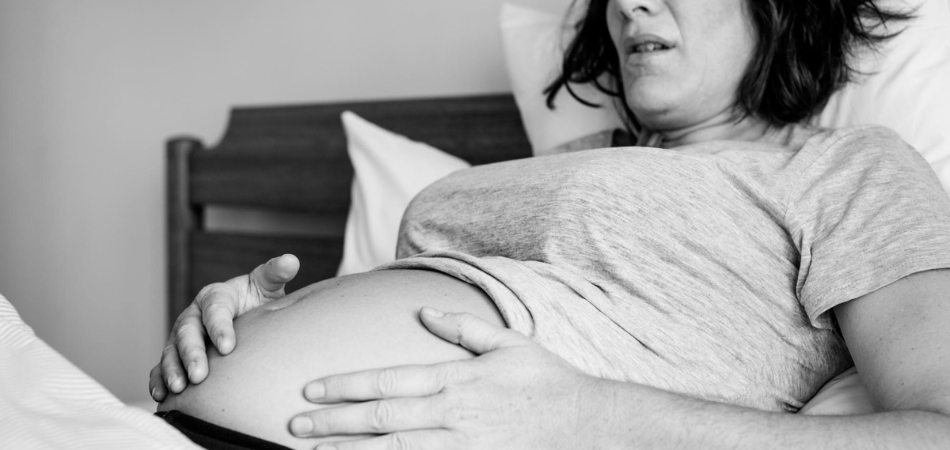
Pregnancy is a time of enormous physical change. Your body is constantly adapting to support both you and your growing baby.
Most changes are a normal part of pregnancy. But some conditions require closer monitoring because they can affect both mother and baby.
Pre-eclampsia is one of them.
Knowing what pre-eclampsia is, what signs to look out for, and when to seek medical attention can help you respond quickly if something does not feel right.
At Hello Osteo, we believe that understanding your body is an important part of caring for yourself during pregnancy. This article is here to help you recognize the warning signs, understand why monitoring matters, and know how postpartum care can support your recovery after birth.
What Is Pre-Eclampsia?
Pre-eclampsia is a pregnancy-related condition involving high blood pressure and changes that can affect organs such as the kidneys, liver, and brain.
It usually develops after 20 weeks of pregnancy, although it can sometimes occur earlier or develop after the baby is born.
One of the challenging things about pre-eclampsia is that you may not always feel unwell. High blood pressure and protein in the urine can sometimes be discovered during routine antenatal appointments before you notice any symptoms yourself.
This is why regular pregnancy check-ups are so important.
Why Does Pre-Eclampsia Matter?
Pre-eclampsia can range from mild to severe.
When it becomes severe or is not appropriately managed, it can lead to serious complications for the mother, including:
- Eclampsia, which involves seizures
- HELLP syndrome
- Stroke Problems affecting the liver or kidneys
- Placental abruption
It can also affect the baby by contributing to restricted growth or premature birth.
In severe cases, pre-eclampsia can become life-threatening for both mother and baby. This is why early recognition and appropriate medical care are so important.
What Should You Look Out For During Pregnancy?
Some of the most important warning signs include:
A Severe or Persistent Headache
A headache that is severe, persistent, or does not improve with usual measures should be checked, particularly if it is unusual for you.
Changes in Your Vision
This can include:
- Blurred vision
- Seeing flashing lights
- Seeing spots
- Other sudden changes in your vision
Vision changes during pregnancy should not simply be assumed to be a normal pregnancy symptom.
Sudden Swelling
Some swelling of the feet and ankles can be completely normal during pregnancy.
However, a sudden increase in swelling, particularly around the face or hands, should be checked.
A sudden change is more concerning than the gradual swelling that commonly occurs during pregnancy.
Pain Under the Ribs or in the Upper Abdomen
Pain below the ribs, particularly on the right side, can be associated with pre-eclampsia and should be medically assessed.
Nausea, Vomiting, or Feeling Very Unwell
Nausea and vomiting are common during pregnancy, especially early on.
However, new or unusual nausea and vomiting later in pregnancy, particularly when accompanied by other warning signs, should be discussed with a healthcare professional.
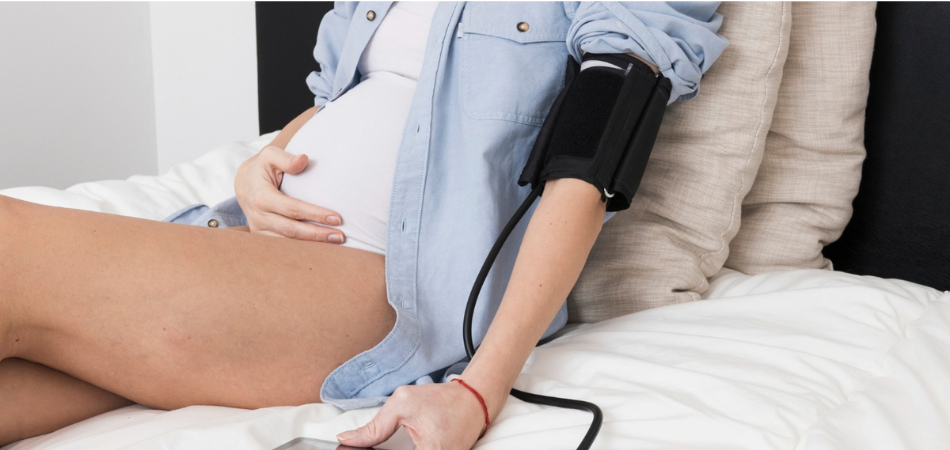
High Blood Pressure
You cannot reliably tell whether your blood pressure is high simply by how you feel.
Some people with pre-eclampsia have very few symptoms.
This is why blood pressure checks and urine testing during antenatal appointments are so important.
Who May Have a Higher Risk?
Pre-eclampsia can happen to someone without any obvious risk factors.
However, certain circumstances can increase the likelihood, including:
- A first pregnancy
- A previous history of pre-eclampsia
- Multiple pregnancy, such as twins or triplets
- Chronic high blood pressure
- Diabetes
- Kidney disease
- Certain autoimmune conditions
- A family history of pre-eclampsia
Having one of these factors does not mean that you will develop pre-eclampsia. It simply means your healthcare team may recommend closer monitoring or preventive measures depending on your individual situation.
What Happens If You Are Diagnosed With Pre-Eclampsia?
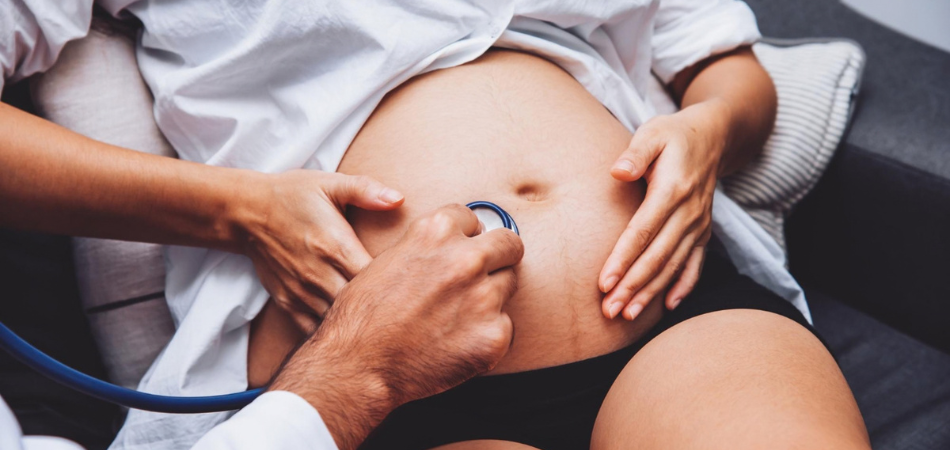
If pre-eclampsia is suspected, your healthcare team may monitor you more closely
This can include:
- Regular blood pressure measurements
- Urine testing
- Blood tests
- Monitoring your symptoms
- Ultrasound examinations to monitor your baby's growth
- Monitoring your baby's wellbeing
Treatment depends on how severe the condition is and how far along the pregnancy is.
Medication may be used to control blood pressure and, in certain situations, medication such as magnesium sulfate may be used to reduce the risk of seizures.
Your healthcare team will determine the safest plan for you and your baby.
What Does Pre-Eclampsia Mean for Delivery?
One of the biggest concerns for expecting parents is:
"Will I still be able to have my baby safely?"
The answer depends on the individual situation.
If pre-eclampsia is mild and your pregnancy is still progressing safely, your healthcare team may continue close monitoring. If the condition becomes severe, or if there are concerns about the health of the mother or baby, delivery may need to happen earlier than originally planned.
Depending on your circumstances, your medical team may recommend induction of labour or a caesarean birth.
This does not mean that every person with pre-eclampsia will require a caesarean section. The safest method and timing of birth depend on factors such as your blood pressure, symptoms, laboratory results, baby's growth and wellbeing, and how far along the pregnancy is.
Pre-Eclampsia Can Also Happen After Birth
Giving birth does not always mean that the risk has immediately disappeared.
Pre-eclampsia can sometimes develop or continue in the days or weeks following delivery.
Pay attention to warning signs such as:
- Severe headache
- Changes in vision
- Pain under the ribs
- Sudden swelling
- Feeling very unwell
- Vomiting
If these symptoms occur after giving birth, seek medical attention promptly.
When Should You Seek Urgent Help?
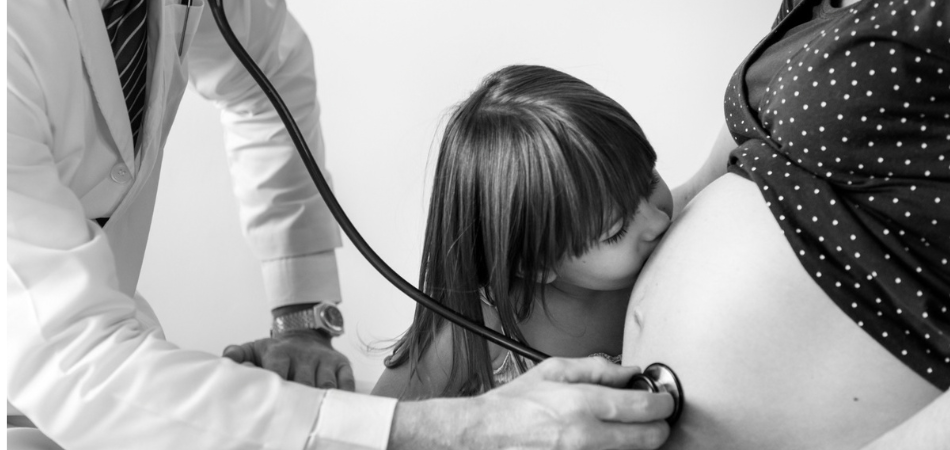
If you are pregnant or have recently given birth and experience symptoms that could indicate pre-eclampsia, do not wait for your next routine appointment.
Contact your maternity team, midwife, doctor, or the appropriate emergency service in your area.
In particular, seek urgent medical assessment for: Severe or persistent headache + vision changes + upper abdominal pain + sudden swelling + feeling very unwell.
These symptoms do not necessarily mean that you have pre-eclampsia, but they need to be checked.
When it comes to pregnancy complications, it is better to have a symptom assessed and be reassured than to ignore something that needs attention.
Where Does Osteopathy Fit Into Pregnancy and Postpartum Care?
Pre-eclampsia requires medical monitoring and management. Osteopathy does not diagnose, treat, or prevent preeclampsia, and osteopathic care should never replace antenatal or medical care.
But the story does not end with delivery.
Pregnancy and birth place significant physical demands on the body. After birth, you may experience changes in your posture, pelvic and abdominal muscles, breathing patterns, movement, and the way you carry and feed your baby.
This is where postpartum osteopathic care may have a supportive role.
A postpartum osteopathic assessment may look at areas such as:
- Lower back and pelvic comfort
- Postural changes after pregnancy
- Rib and breathing mechanics
- Abdominal and pelvic tension
- Musculoskeletal discomfort after birth
- Physical demands associated with feeding and carrying your baby
- Recovery after vaginal birth or caesarean birth
The approach should always be adapted to your individual recovery and coordinated with your healthcare team when needed.
Your Recovery Matters Too
After spending months focusing on the health and development of your baby, it can be easy to forget that you are recovering too.
Whether your pregnancy was straightforward or involved complications such as pre-eclampsia, your body deserves time, attention, and appropriate support after birth.
Postpartum care is not about "getting your body back."
It is about helping you understand the changes your body has gone through, supporting comfortable movement, and giving you space to recover as you adjust to life with your baby.
At Hello Osteo, we believe postpartum care should be gentle, individualized, and centered around you.
If you have experienced pre-eclampsia or another pregnancy complication, always follow your medical team's recommendations first. Osteopathic care can then be considered as one part of your broader postpartum recovery plan.
Book at Our Kingston or Amherstview Clinic
References
- World Health Organization. Pre-eclampsia. 10 December 2025.
- NHS. Pre-eclampsia. Last reviewed 23 March 2026.
- World Health Organization. Getting the health services you need: during pregnancy.
- NHS. Your body after the birth. Reviewed February 2026.
Ready to take the next step?
Our osteopathic treatments are tailored to your body and goals.
Learn more about our services ->