Osteopathy for Endometriosis: Reclaiming Your Body
Written by Maëva Loyson
For many women in Kingston, Ontario, living with endometriosis means existing in a constant state of physical negotiation. You map your entire month around your cycle, anticipating the sharp pelvic pain or the deep, heavy fatigue that no amount of sleep seems to fix. When you are managing these symptoms while working downtown or balancing a busy family schedule, it becomes easy to dismiss the discomfort as something you simply have to tolerate.
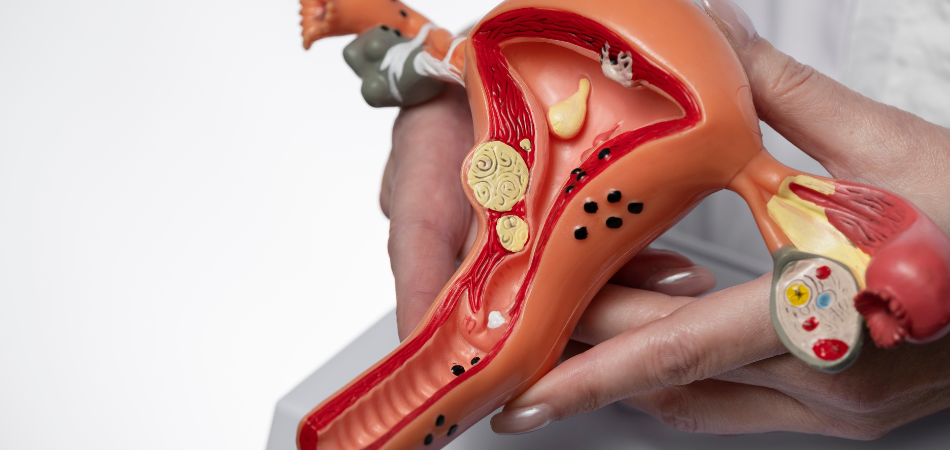
The reality is different. Endometriosis is a chronic condition in which tissue similar to the lining of the uterus grows outside the uterus. It can contribute to symptoms such as pelvic pain, painful periods, fatigue, pain during intercourse, and digestive discomfort. For many women, these symptoms can also affect posture, movement, muscle tension, and overall quality of life.
According to data tracked by the World Health Organization, endometriosis affects approximately 10% of reproductive-age women globally. It is not a symptom to be ignored or pushed through. It is a sign that your pelvic structure is under constant strain and needs dedicated, restorative care.
In Canada specifically, the average time to diagnosis is five years or longer, during which most women are dismissed, undertreated, or told their pain is normal. It is not normal. And osteopathy for endometriosis offers a non-invasive, gentle path toward structural relief that does not require you to wait years for a referral.
Schedule an Endometriosis Consultation Today
The Hidden Structural Impact of Endometriosis on Your Body
Endometriosis does not only cause pain during your cycle. It progressively alters how the tissues inside your pelvis move and interact every single day. Recurrent pain and inflammation can influence how muscles, connective tissues, and joints function over time. Some individuals develop protective movement patterns, increased pelvic floor tension, or stiffness in the hips, lower back, and surrounding tissues.
Restricted Circulation and Chronic Pelvic Tension
Chronic pelvic pain is often accompanied by increased muscle guarding and tension throughout the pelvis, abdomen, hips, and lower back. Over time, this persistent tension may contribute to feelings of stiffness, reduced comfort, and difficulty moving freely.
This lack of fluid movement leaves the pelvic floor and lower back muscles feeling stiff, braced, and chronically tight; even outside of your cycle. Many women with endometriosis carry this tension for years without connecting it to their diagnosis.
The Structural Aftermath of Surgical Interventions
Many women navigate surgical paths such as laparoscopy or hysterectomy to manage severe endometriosis symptoms. It is important to understand that a hysterectomy alone does not trigger surgical menopause. If the ovaries are preserved, natural hormonal production continues. However, if the ovaries are also removed, it triggers immediate surgical menopause. Both scenarios introduce profound structural shifts, leaving behind scar tissue, adhesions, and pelvic stiffness that require gentle manual care to help the body adapt and recover properly.
Following procedures such as laparoscopy, some women seek osteopathic care as part of their broader recovery plan. Gentle manual treatment may help address musculoskeletal tension, mobility restrictions, and discomfort that can develop during the healing process.
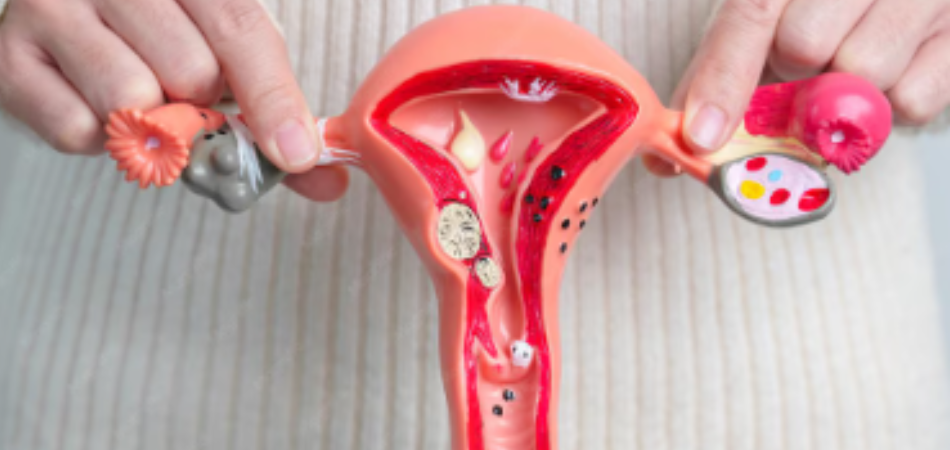
The Osteopathic Approach: Calming Inflammation and Regulating the Nervous System
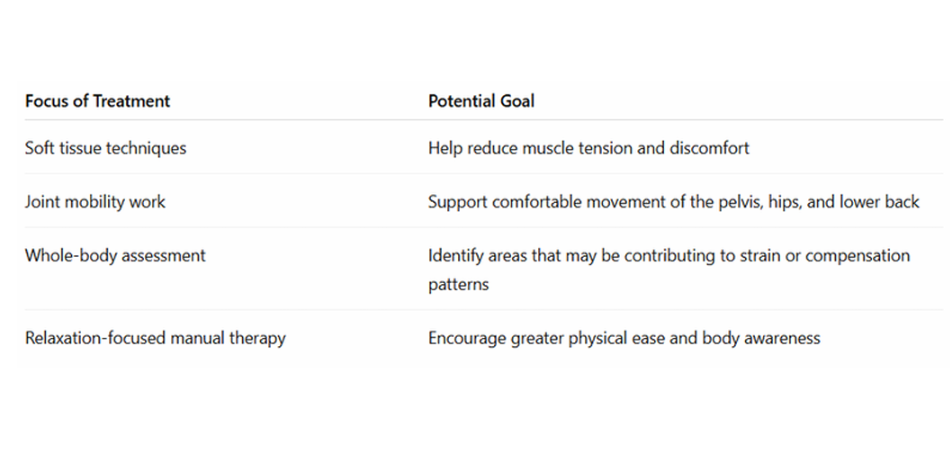
Osteopathy does not attempt to change the medical diagnosis of endometriosis. Instead, it changes how your physical body carries it. Osteopathic care takes a whole-body approach, assessing how the pelvis, lower back, hips, abdomen, and surrounding structures work together. Treatment focuses on improving comfort, mobility, and movement quality while helping reduce tension that may contribute to ongoing discomfort.
When an osteopathic practitioner works with your physical structure (releasing pelvic tension, mobilizing the spine, and freeing restrictions in the fascia and joints), your nervous system receives a signal it may not have received in years: safety, release, and permission to stop bracing.
The Nervous System and Chronic Pain Connection
According to research documented by the Mayo Clinic, prolonged overexposure to cortisol, your primary stress hormone, can disrupt almost all of your body's natural regulatory processes. Chronic pelvic pain keeps your body locked in a constant fight-or-flight state, which actively worsens inflammation and amplifies pain signals.
Gentle, targeted osteopathy for endometriosis provides a vital physiological window of safety. When structural restrictions are released through manual therapy, your nervous system receives a signal it may not have received in years: permission to stop bracing. Living with chronic pain can affect both physical and emotional wellbeing. Many people describe feeling constantly "on guard," particularly during periods of symptom flare-up.
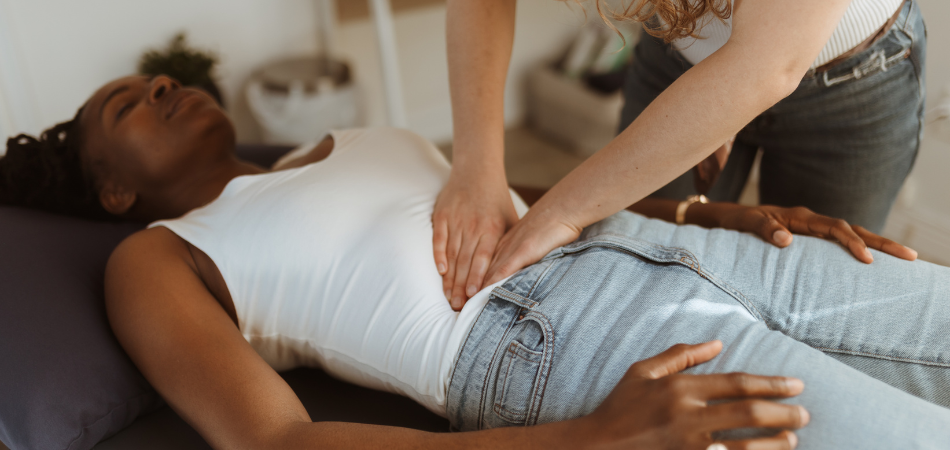
Gentle hands-on treatment may provide an opportunity to relax areas of persistent tension and reconnect with a greater sense of physical comfort. While osteopathy does not treat endometriosis itself, many patients appreciate having dedicated time focused on their body's movement, comfort, and overall wellbeing.
Experience Gentle Osteopathic Care Today
Specialized Women's Health Osteopathy at Hello Osteo Kingston and Amherstview
You do not have to settle for general bodywork that treats pelvic health as an afterthought. At Hello Osteo in Kingston and Amherstview, Ontario, our clinic is intentionally built around the complex structural transitions of the female body, providing specialized care for endometriosis, hormonal transitions, pelvic floor dysfunction, and chronic cycle pain.
Our trusted practitioners, Maëva, Céline, and Alexia, renowned and trusted osteopathic practitioner in Kingston and Amherstview Ontario, completed five rigorous years of full-time osteopathic training in France. This extensive clinical background allows them to deeply understand how the female pelvic cavity carries stress, adapts to inflammation, and heals from surgical trauma.
Whether you are a student at Queen's University, a busy parent managing school runs in Kingston, or commuting from nearby Gananoque or Amherstview, you will find a supportive, expert environment designed to help you reclaim your physical comfort through osteopathic manual therapy.
Frequently Asked Questions About Osteopathy for Endometriosis at Hello Osteo
Q: How does osteopathy physically help with endometriosis pain?
A: Osteopathic treatment focuses on the musculoskeletal system. Through gentle hands-on techniques, an osteopathic practitioner may help reduce tension in the lower back, hips, pelvis, and surrounding tissues. For some individuals, this can contribute to greater comfort, improved mobility, and a better ability to manage day-to-day symptoms associated with chronic pelvic pain.
Q: Is osteopathic treatment invasive or painful?
A: Not at all. Our approach to managing endometriosis at Hello Osteo is entirely external, gentle, and non-invasive. There is no forced alignment or heavy manipulation. Your osteopathic practitioner continuously reads your body's physical responses, ensuring the manual therapy stays well within your comfort limits at all times.
Q: Do I need a doctor's referral to book at Hello Osteo?
A: No referral is required. You are welcome to book your initial endometriosis consultation and assessment directly through our online system in Kingston, Ontario, whenever you are ready to seek relief.
Q: How quickly can I expect to feel a difference in my symptoms?
A: Every body has a unique history, but many women report a noticeable reduction in deep pelvic pressure, structural stiffness, and cycle discomfort after just one to three osteopathy sessions. Your osteopathic practitioner will collaborate with you during the first visit to build a realistic, tailored recovery plan.
Q: Can osteopathy help after endometriosis surgery such as a laparoscopy?
A: Yes. Post-surgical osteopathic care is highly beneficial for women recovering from laparoscopy or hysterectomy. Manual therapy helps address the scar tissue, adhesions, and pelvic tension that often remain after surgery, supporting the body's structural recovery and restoring healthy circulation and mobility.
Give Your Body the Space to Heal
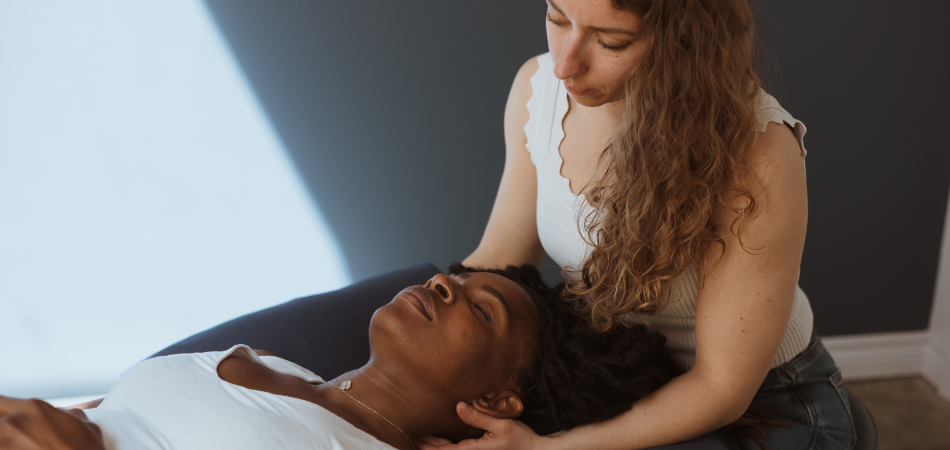
Endometriosis can affect far more than your menstrual cycle. It can influence how you move, how you rest, and how you experience everyday life.
While osteopathy is not a treatment for endometriosis itself, many women choose to include it as part of their overall support plan to help address musculoskeletal discomfort, tension, and movement restrictions associated with chronic pelvic pain.
At Hello Osteo Kingston, we provide patient-centred, gentle care tailored to your individual needs and comfort level. If you're looking for a supportive approach to managing the physical impact of endometriosis, we're here to help.
Book Your Women's Health Osteopathy Session at Hello Osteo
References
World Health Organization - https://www.who.int/news-room/fact-sheets/detail/endometriosis
Mayo Clinic - https://www.mayoclinic.org/healthy-lifestyle/stress-management/in-depth/stress/art-20046037
Society of Obstetricians and Gynaecologists of Canada - https://www.sogc.org
Ready to take the next step?
Our osteopathic treatments are tailored to your body and goals.
Learn more about our services ->